Poly-B replacement
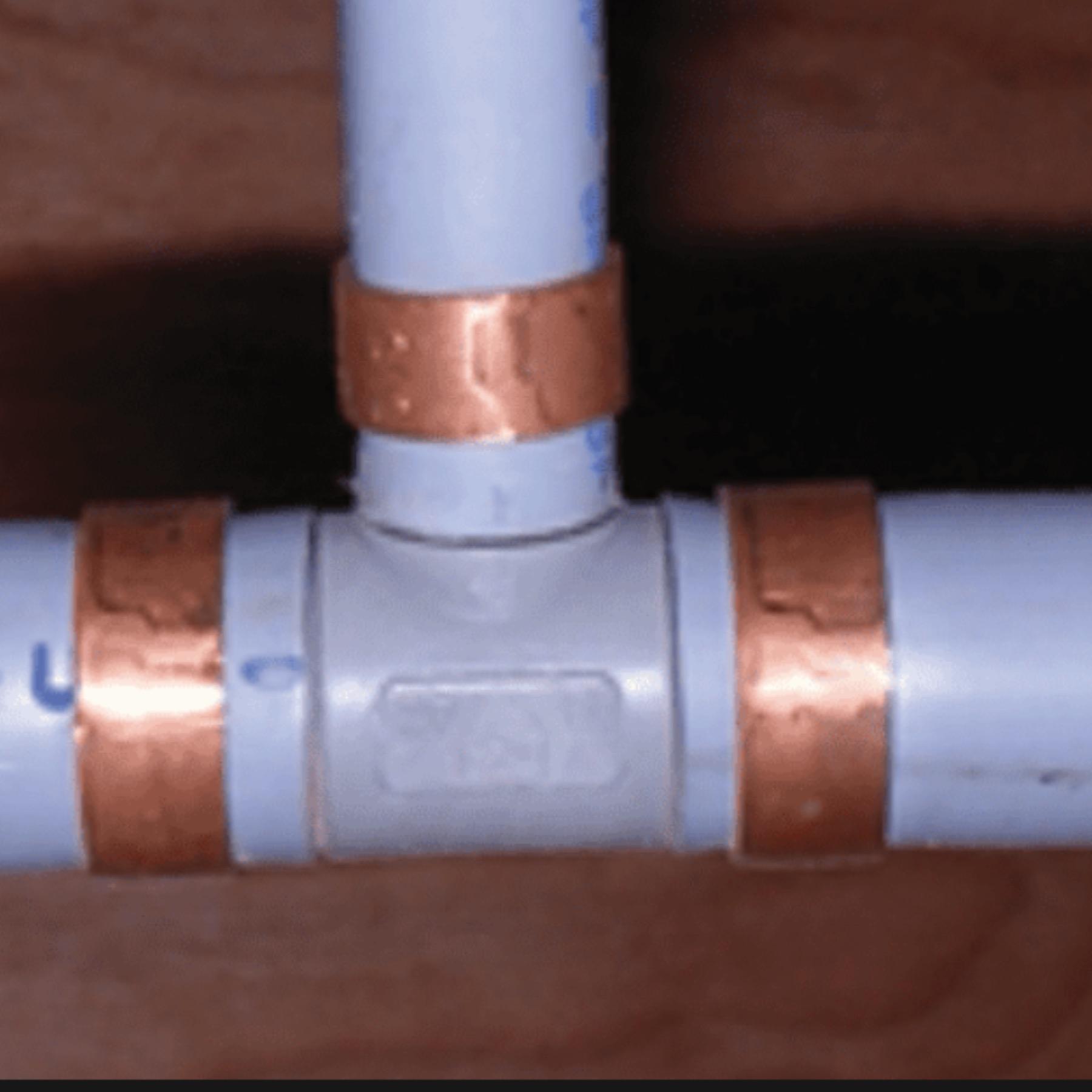
Grey plastic supply pipe from the late 1970s through about 2000. We inspect it and repipe with PEX.
Why Poly-B fails
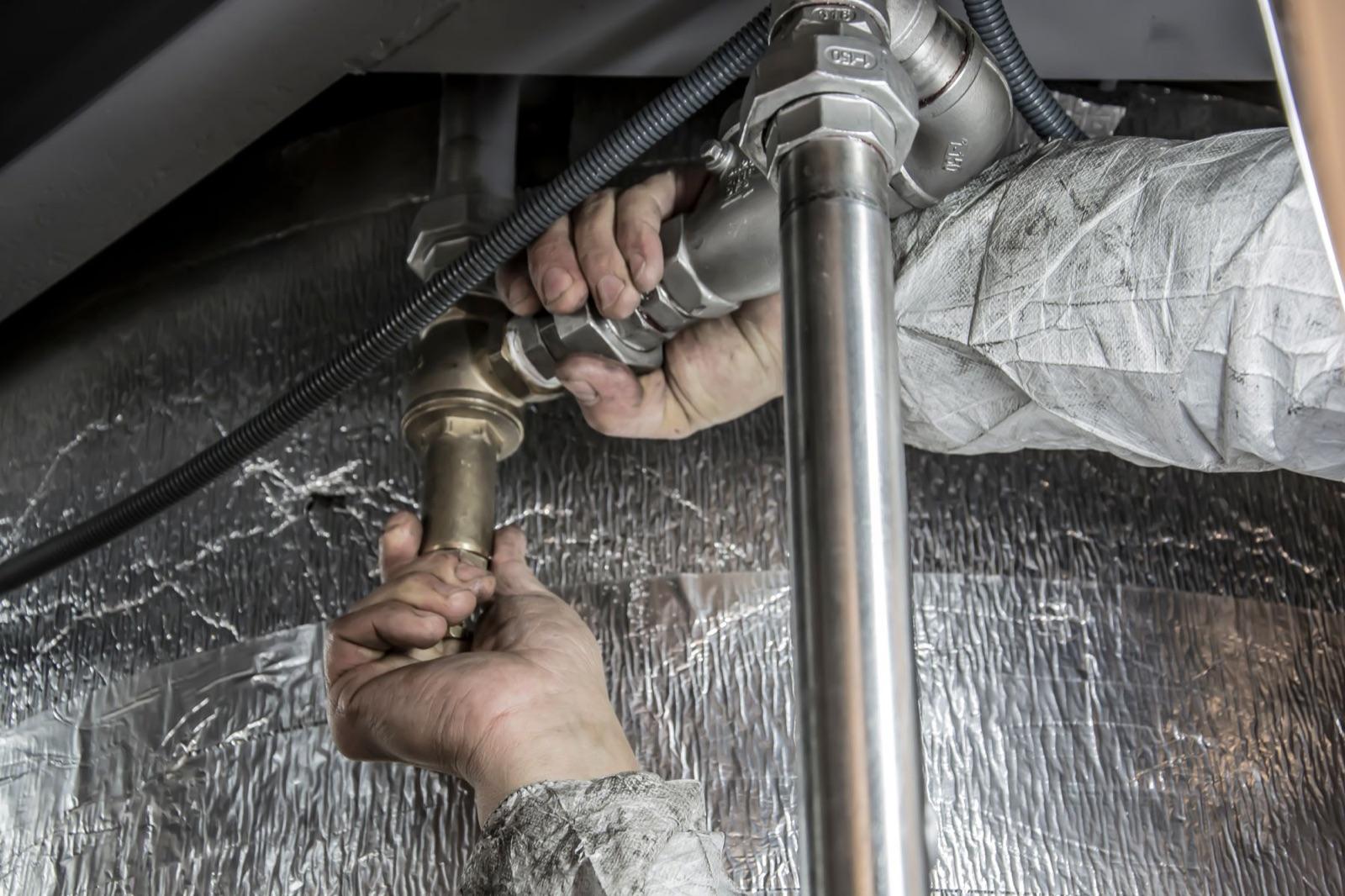
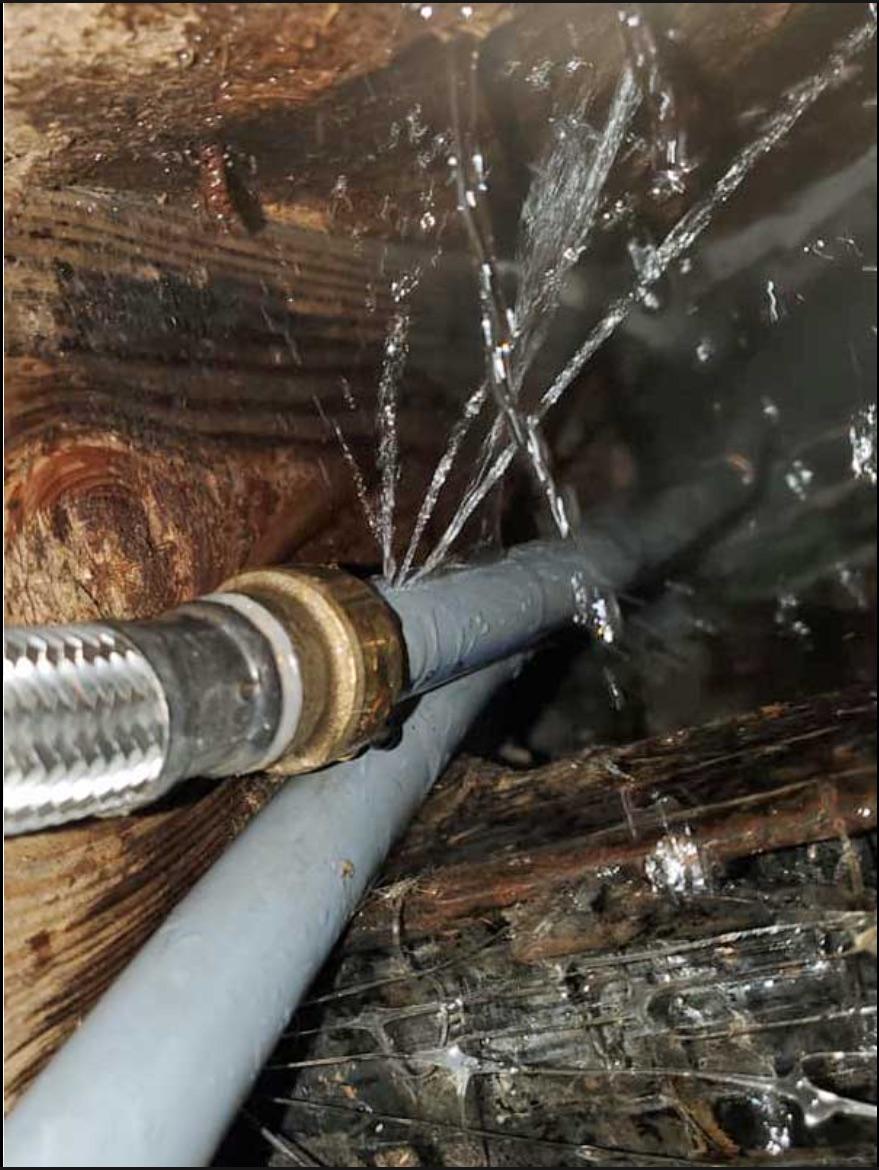
It went in as a cheaper, easier alternative to copper. The pipe gets brittle. Three things do most of the damage.
Chlorine
Chlorine and other oxidants in municipal water break the plastic down.
Mechanical stress
Ordinary use. The pipe cycles from cold to hot, and washers, dishwashers, and sinks turn the water on and off.
Sun before it was installed
If the pipe sat outside in the sun on site, that damage is already in it. There is no way to tell years later.
If the Poly-B stays
Water damage
The pipe can fail without warning and flood behind drywall and under floors. Left alone, that becomes mold, rot, and a much larger repair.
Insurance and a sale
Many insurers limit or refuse coverage for a house with Poly-B, and some lenders want it replaced before they will approve a mortgage. A repipe makes the house easier to insure and easier to sell.
Damp air and wasted water
A slow leak affects the air in the house and can raise the water bill before the source is found.
Services we offer
- Inspection
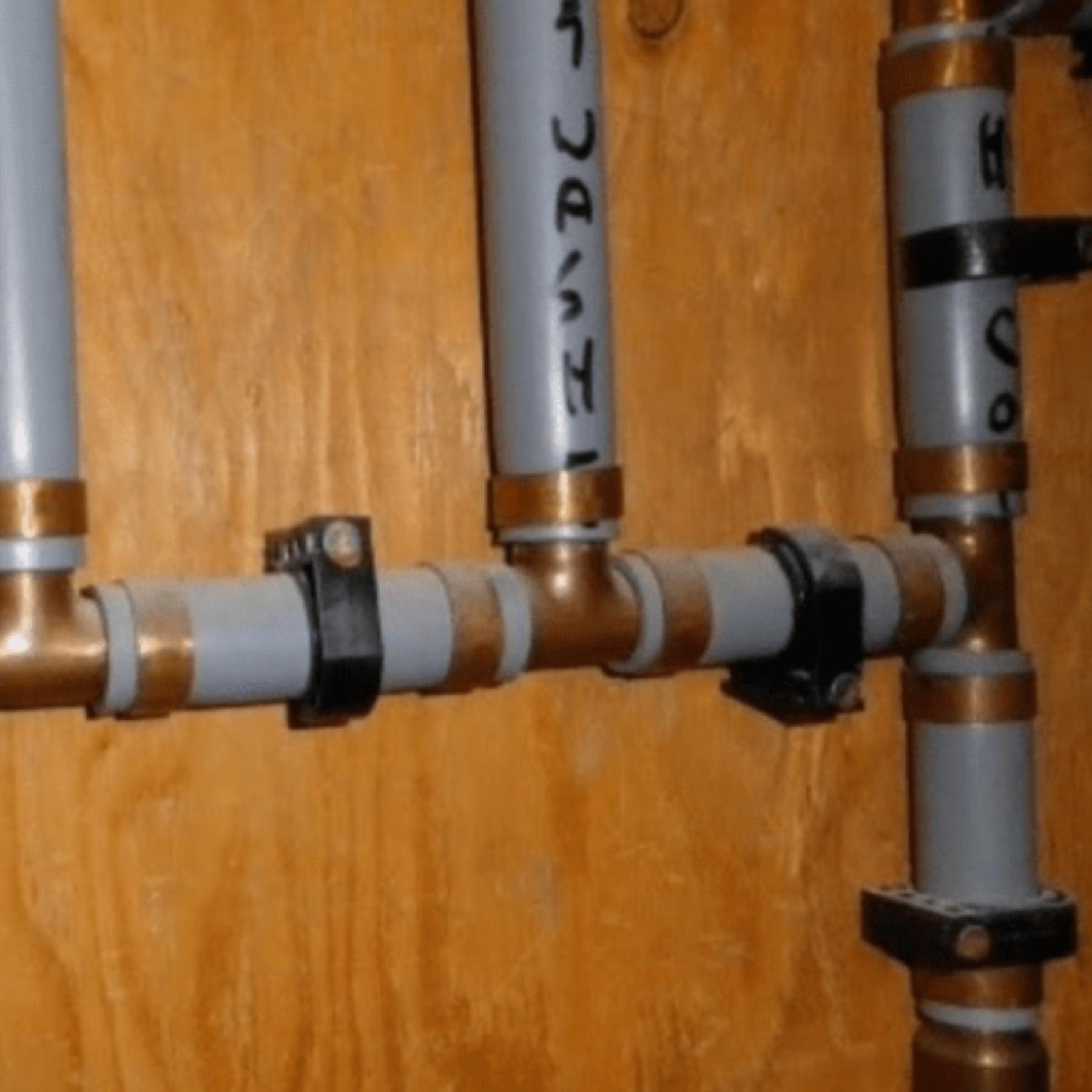
- We identify whether the supply piping is Poly-B. Grey plastic pipe with copper crimp rings, often near the hot water tank, under sinks, or in a basement or crawlspace, is the usual clue.
- Repipe with PEX
- Most replacements use PEX. It is flexible, stands up to chemicals and freezing better than the old pipe, and is often more practical than a full copper repipe.
- A plan that limits the mess
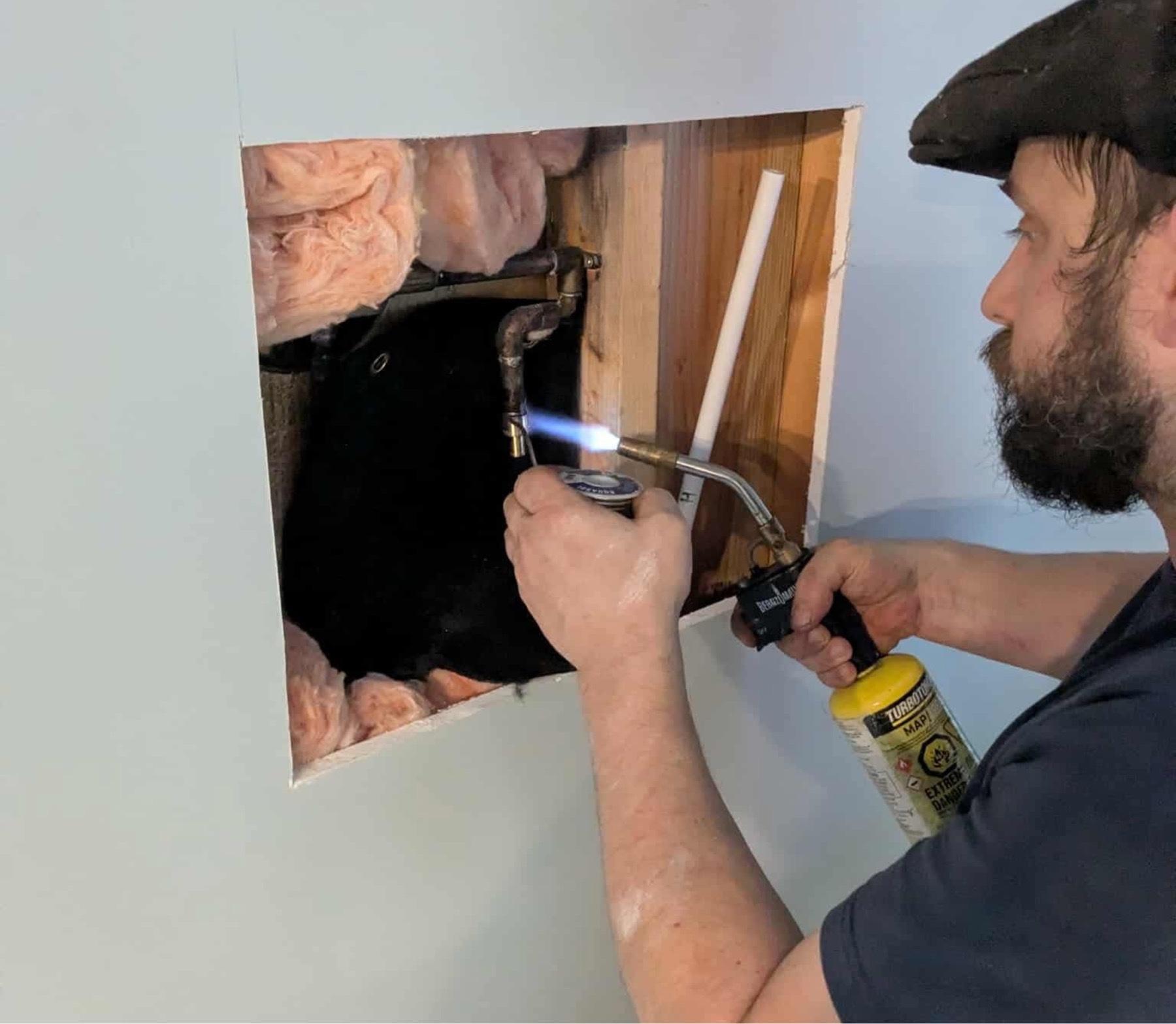
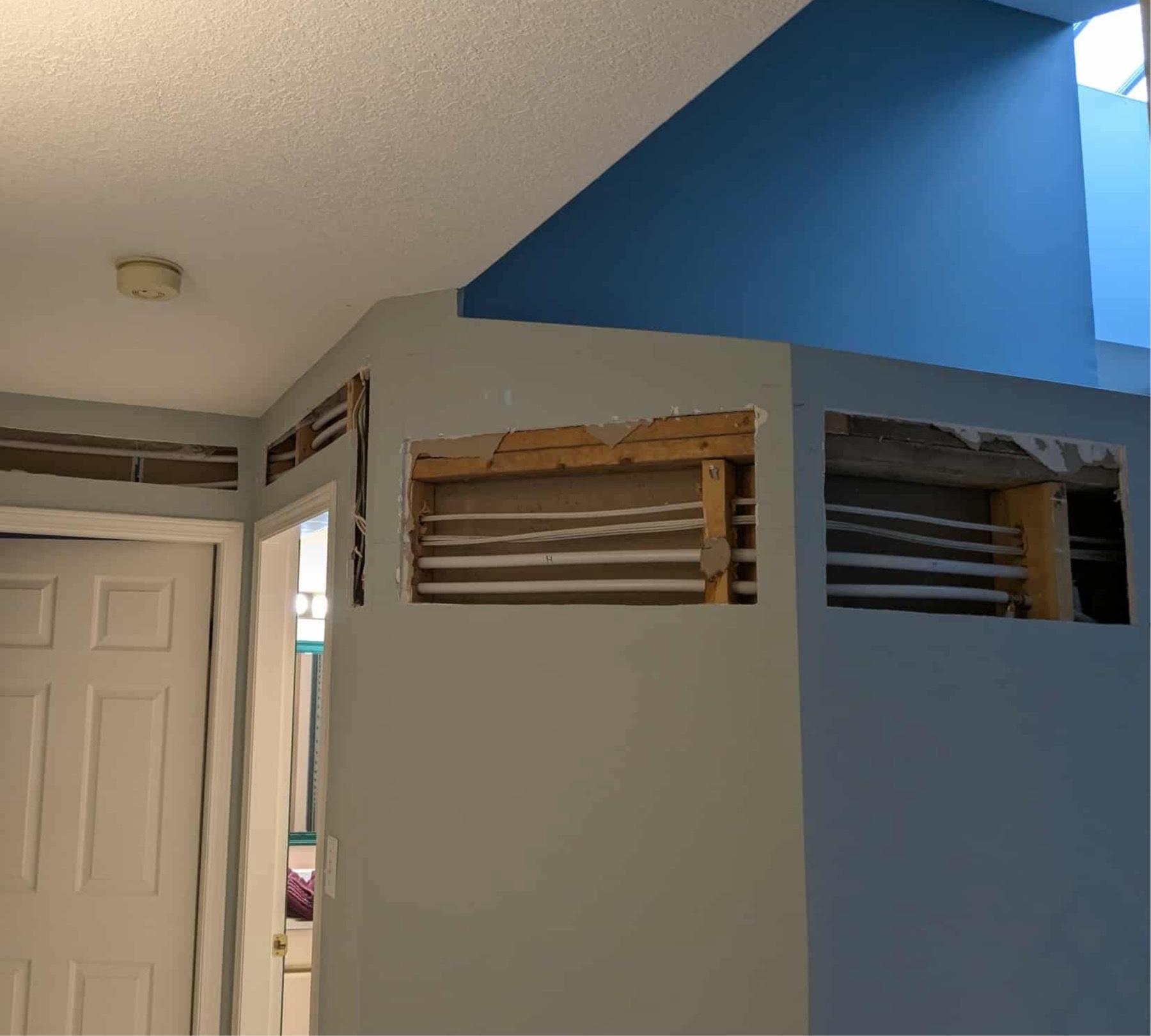
- We remove the piping we need to and abandon some disconnected pipe in the walls so you are not opening every surface. Permits, pressure testing, and cleanup are part of the job.
Poly-B replacement, inspected and repiped
- 01
Find it
A look at accessible piping tells us whether the house has Poly-B.
- 02
Plan the replacement
The plan follows the layout of the house and the budget for the job.
- 03
Install and test
Old supply piping comes offline, new piping goes in, and we pressure-test before the walk-through.
- 04
Walk-through
Before we leave, we check that everything works and answer questions about the new system.
Reviews
From the people we got to help
4.9
107 Google reviews
“We just had our whole house's plumbing replaced (we had poly-b) and we can't say enough about the excellent service we received from High Tide Plumbing and Gas Ltd. Joe, Jordan and Matt were prompt, courteous, and knowledgeable, and did the job with the least amount of fuss and mess. We are very pleased with the results, and would highly recommend the High Tide team. Thanks guys! Norm and Sylvia”
Sylvia Hawkins
Contact
Ask about poly-b replacement
Call, or send the details. We will come back with a quote for this job.
- Location5320 Entwhistle Dr, Nanaimo, BC
- Phone250-268-1058
- HoursMonday to Friday, 8 AM – 6 PMClosed Saturday and Sunday
- Emailjordan@hightide.ltd
Send a note
Questions
More services we offer
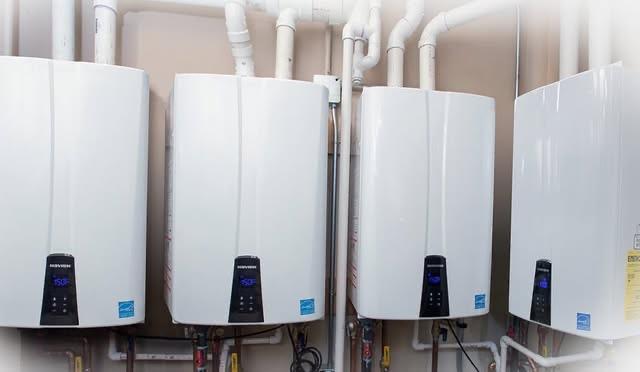 Hot waterTanks, tankless, and Marathon systems.Learn more
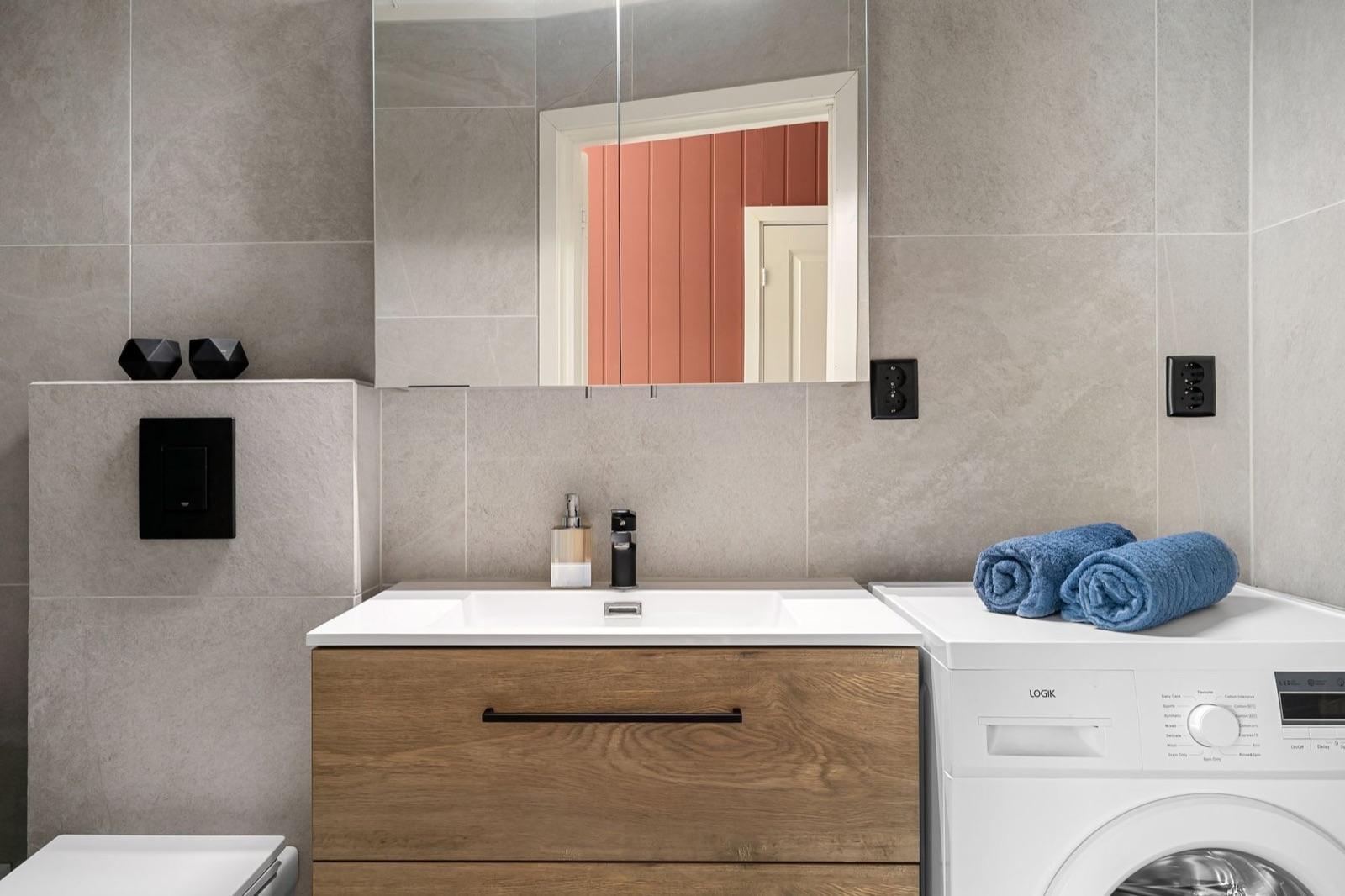 RenovationsKitchens, bathrooms, and the piping behind them.Learn more
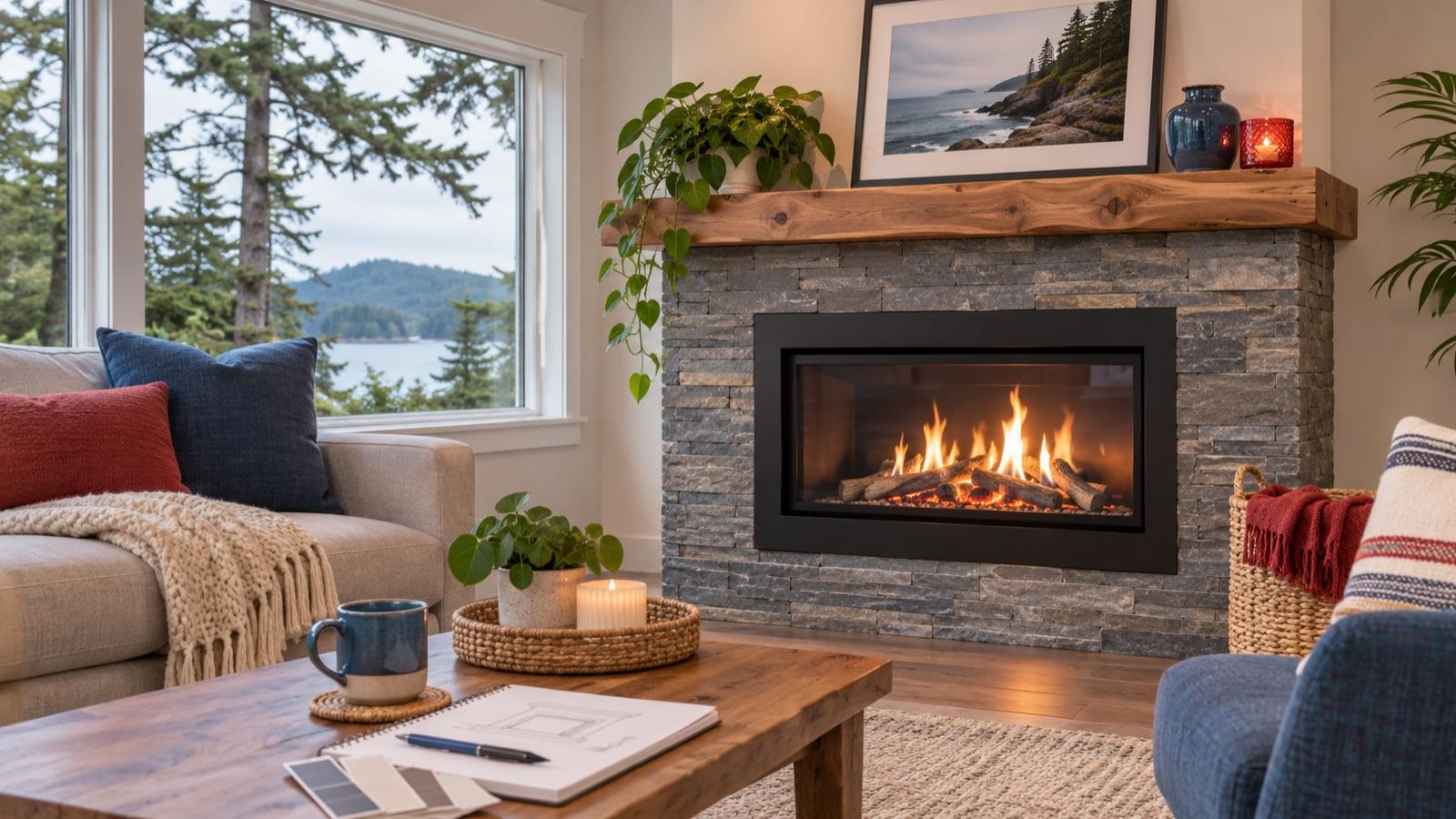 Gas fireplacesInstalls, annual service, and repairs.Learn more
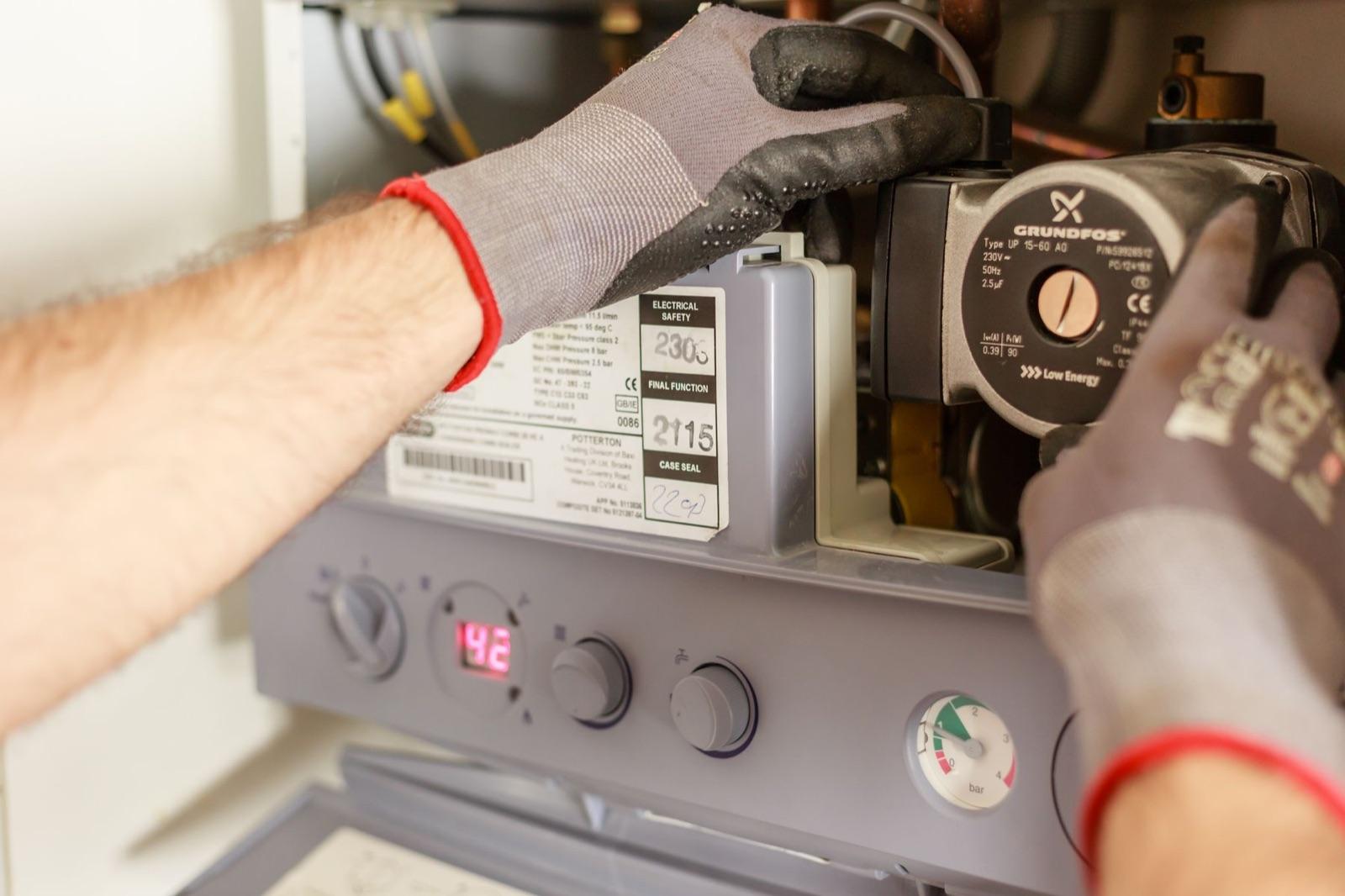 HeatingFurnaces, boilers, and shop heat.Learn more
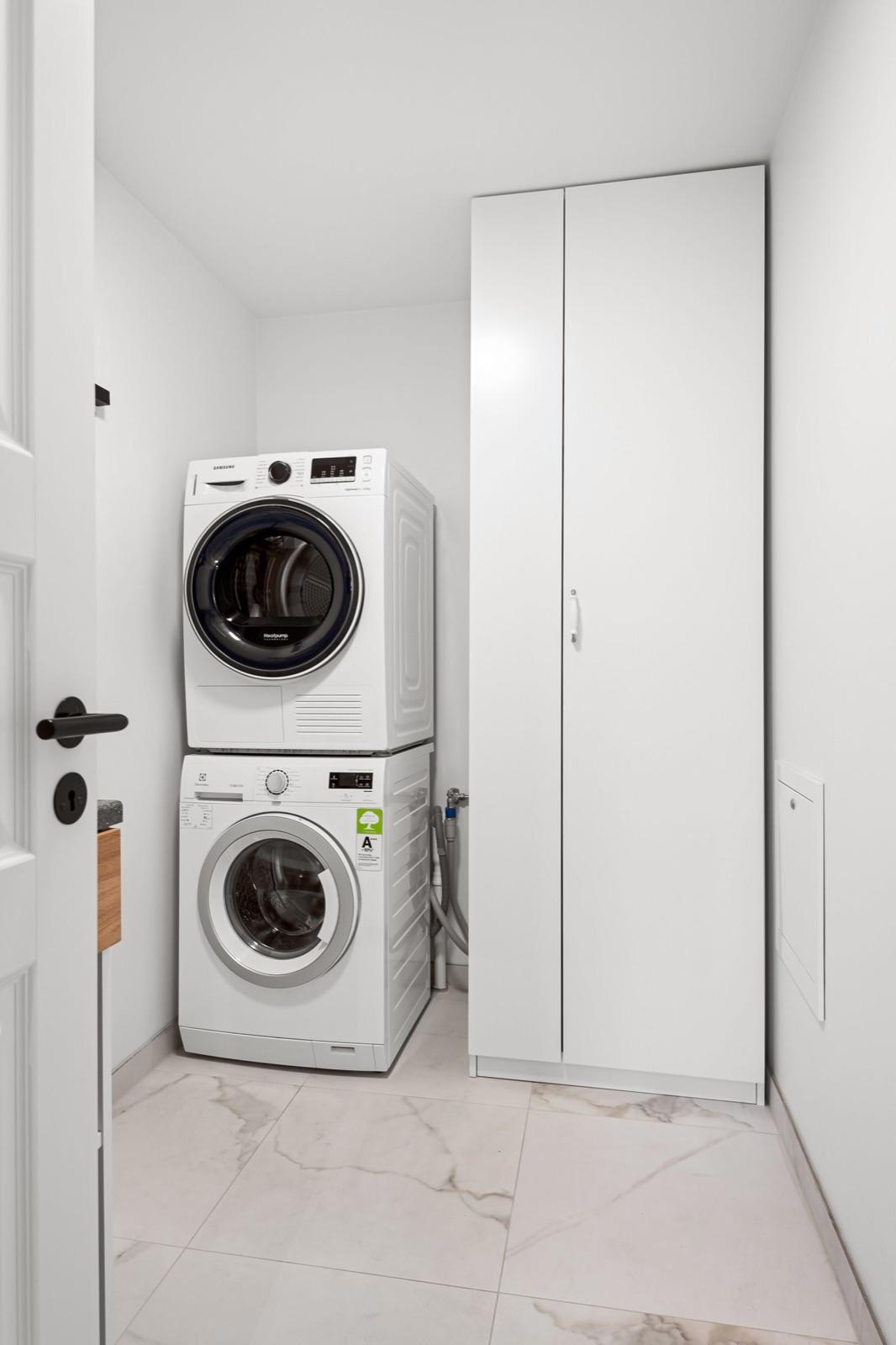 Dryer ventsCleaning so the dryer finishes, and so lint does not build up.Learn more