Most homeowners don’t think much about their plumbing until something starts leaking, draining slowly, making unusual noises, or simply stops working the way it should.
That’s understandable. Plumbing is one of those systems that quietly does its job every day, until it doesn’t.
The good news is that a few simple checks around your home can help you spot small issues before they turn into larger, more expensive repairs.
These checks aren’t a replacement for professional plumbing service, but they can help you identify warning signs early and know when it’s time to call a licensed plumber.
Here are five areas worth checking as part of your regular home maintenance routine.
1. Check Under Your Kitchen Sink
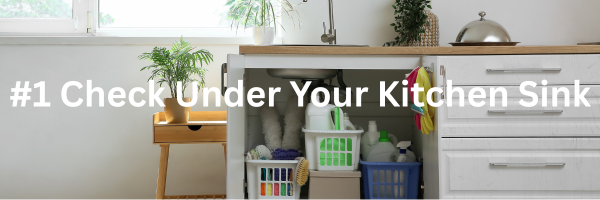
Your kitchen sink gets a lot of daily use. Between washing dishes, rinsing food, filling pots, cleaning up after meals, and running the faucet throughout the day, it is one of the hardest-working plumbing areas in the home.
A quick look under the sink can sometimes reveal issues that are easy to miss from above.
Look for signs such as:
- Dampness on the cabinet floor
- Water marks or staining
- A musty smell inside the cabinet
- Loose connections
- Drips around the drain or supply lines
- Slow drainage from the sink
- A tap that drips or feels loose
Not every kitchen plumbing issue means you need a major repair or renovation. Sometimes, a worn tap, loose fitting, aging connection, or small leak can be dealt with before it causes more inconvenience.
If you notice moisture under the sink, do not ignore it. Even a small drip can affect the cabinet over time and may be a sign that part of the plumbing needs attention.
Learn more about water leak detection.
2. Look for Dripping Taps and Runing Toilets
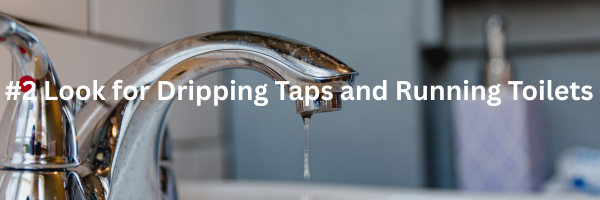
Bathroom plumbing issues can be surprisingly easy to live with, at least at first.
A tap that drips every now and again may not seem urgent. A toilet that keeps running after it flushes might feel like a minor annoyance. Weak water flow can be easy to put up with if it has slowly become “normal” over time.
However, these are exactly the types of small issues that are worth checking.
In your bathroom, look and listen for:
- Dripping taps
- Toilets that continue running after flushing
- Weak or uneven water flow
- Water around the base of the toilet
- Moisture around the vanity
- Old or stiff shut-off valves
- Taps or handles that feel loose
A running toilet or dripping tap may waste water and may also point to worn parts. Weak flow could be related to the fixture, the supply, or another plumbing issue that needs a closer look.
The key is not to panic. The goal is simply to notice what has changed and get advice before the issue becomes more frustrating.
3. Pay Attention to Your Hot Water Tank
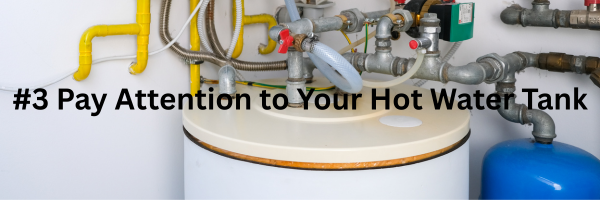
Your hot water heating system is one of the most important plumbing systems in the home. Most people only think about it when the water suddenly turns cold, but there are sometimes warning signs before that happens.
Take a few minutes to pay attention to how your hot water heating system is performing.
Things to watch for include:
- Hot water running out faster than usual
- Inconsistent water temperature
- Unusual noises coming from the tank
- Moisture, rust, or staining around fittings
- Visible leaks or pooling water
- A system that is getting older and has not been checked recently
A quick visual check does not mean taking anything apart. Homeowners should avoid adjusting or working on hot water systems unless they are qualified to do so. But if something looks or sounds different, it is worth getting it checked by a professional.
Learn more about the warning signs of a failing hot water tank.
Something homeowners should do is determine the age of their hot water tank so they know approximately where in its life cycle they are and what their home insurance policy requires regarding its age.
Small hot water concerns can sometimes lead to bigger repair costs if they are left too long. Having a plumber assess the system can help you understand whether it needs a repair, maintenance, or future replacement planning.
4. Inspect Outdoor Taps and Visible Plumbing
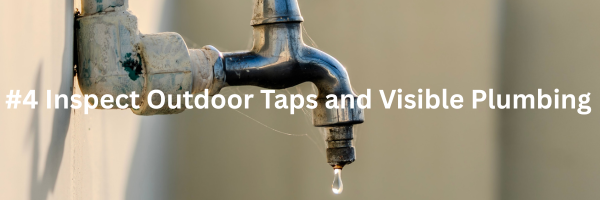
Outdoor taps are easy to forget about until the garden hose comes out, the car needs washing, or summer jobs start around the home.
Because they are outside, outdoor taps and hose connections are exposed to the weather and regular seasonal use. A small drip outside can be easy to overlook, but it may still be worth checking.
Look for:
- Dripping from the outdoor tap
- Weak water flow
- A loose hose bib
- Leaks when the hose is connected
- Water marks on the siding or wall
- Older shut-off valves
- Visible corrosion or wear
Outdoor plumbing issues can be especially easy to miss because they are not always part of your daily routine. A quick seasonal check can help you catch small concerns before they become more inconvenient.
If an outdoor tap feels loose, drips continuously, or leaks when in use, it may be time to have it looked at.
5. Know When It Is Time to Call a Licensed Plumber
Small checks are useful because they help you spot changes around the home. But once you notice something unusual, the next step is knowing when to call a professional.
You should consider contacting a licensed plumber if you notice:
- Ongoing leaks or drips
- Water stains or dampness
- A running toilet that will not stop
- Slow drains that keep coming back
- Low water pressure
- Visible rust, corrosion, or moisture around fittings
- Strange noises from your hot water system
- Shut-off valves that are old, stiff, or not working properly
- Plumbing issues you are unsure how to assess safely
Trying to ignore a plumbing issue often does not make it go away. In some cases, a small fix or practical repair may help reduce the risk of a bigger problem later.
A licensed plumber can inspect the issue properly, explain what is happening, and recommend the most sensible next step.
A Simple Whole-Home Plumbing Walkthrough Can Help
You do not need to wait for a major plumbing problem to take a closer look around your home.
A simple walkthrough might include checking:
- Kitchen sink setup
- Bathroom taps and toilets
- Under-sink cabinets
- Hot water system
- Outdoor taps
- Visible shut-off valves
- Signs of leakage, moisture, or wear
The goal is not to find problems where none exist. The goal is to stay aware of the areas in your home that work hard every day and may need attention over time.
Small checks can help you make better decisions, reduce surprises, and deal with plumbing issues before they become bigger frustrations.
Practical Plumbing Solutions for Mid-Island Homes
Whether you’ve noticed a dripping faucet, slow drain, running toilet, under-sink leak, or concerns with your hot water tank, it’s often worth having the issue checked before it becomes a bigger headache.
High Tide Plumbing & Gas provides professional residential plumbing services throughout the Mid-Island region, including Nanaimo, Parksville, Qualicum Beach, Ladysmith, Duncan and the Cowichan Valley.
We’re here to help homeowners understand what’s happening, explain the available options, and provide practical solutions that make sense for their home and budget.
Straight answers. No surprises.Need a plumbing issue checked? Contact High Tide Plumbing & Gas today to book a service visit.
Frequently Asked Questions
How often should homeowners inspect their plumbing?
A quick visual inspection every few months can help identify leaks, moisture, corrosion, or other plumbing issues before they become larger repairs.
Is a dripping faucet a serious plumbing problem?
A dripping faucet may seem minor, but it can waste water and sometimes indicate worn components that should be repaired.
Why does my toilet keep running after flushing?
A running toilet is often caused by worn internal components inside the tank. A plumber can identify the cause and recommend the appropriate repair.
How do I know if my hot water tank needs attention?
Signs can include inconsistent hot water, unusual noises, visible leaks, rust, or reduced hot water capacity. Additionally, if it is 10 years old or older, it’s time to get a quote for replacement.
When should I call a plumber instead of trying to fix it myself?
If you notice ongoing leaks, water damage, low water pressure, recurring drainage issues, or concerns with your hot water tank, it is usually best to have a licensed plumber inspect the problem.
You might also like to read our blogs about Home Maintenance and Basic Plumbing Tips.