Gas
3 Fortis BC rebates for gas appliance maintenance.
There are still some Fortis BC rebates where your gas appliances are concerned. Annual maintenece on your gas appliances is important to extend the life expectancy of your…
5 min readGas
Outdoor cooking isn’t going anywhere—but how we fuel it is changing fast.
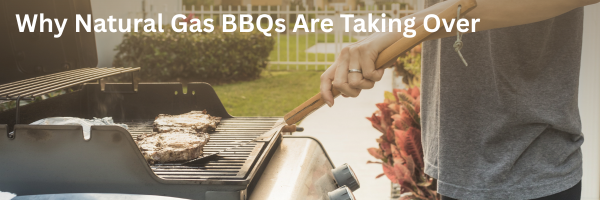
In 2026, more homeowners are moving away from propane tanks and charcoal in favour of natural gas BBQs. Why? They’re cleaner, more convenient, and better suited to modern homes—especially here on Vancouver Island where outdoor living is a big part of life.
If you’re considering upgrading your BBQ setup, here’s what you need to know.

Grilling has been around for thousands of years, but modern BBQs really took off in the 1950s with the introduction of propane grills.
For decades, propane dominated because it was simple and portable. But as homes became more energy-efficient and permanently connected to gas lines, natural gas BBQs started gaining serious traction.
Today, they’re becoming the go-to choice for homeowners who want a long-term, hassle-free outdoor cooking setup.
One of the biggest frustrations with propane? Running out mid-cook.
With a natural gas BBQ, you’re connected directly to your home’s gas line—no tanks, no refills, no surprises.
Natural gas is typically more affordable than propane, especially if you grill often.
Over time, that adds up to noticeable savings—particularly for families who use their BBQ year-round.
Natural gas burns cleaner than charcoal and propane, producing fewer emissions and less smoke.
That means:
No hauling tanks. No lighting charcoal. No waiting.
Just turn it on and start cooking.
For busy households, this is a huge upgrade in usability.
Natural gas BBQs provide steady, controllable heat, which means:
Perfect for everything from quick weeknight meals to hosting friends.
Forget ash, soot, and leftover charcoal mess.
Natural gas BBQs are low-maintenance and easy to clean, saving you time after every cook.
Today’s natural gas BBQs often come with:
They’re designed to be part of a complete outdoor living space, not just a standalone grill.
Sustainability isn’t just a buzzword anymore—it’s a real consideration for homeowners.
Natural gas BBQs help reduce your impact by:
Plus, with the growth of renewable natural gas (RNG), the environmental benefits are only improving.

Before upgrading to a natural gas BBQ, keep a few things in mind:
A natural gas BBQ requires a connection to your home’s gas system. This should always be done by a licensed gas fitterto ensure safety and code compliance.
Plan where your BBQ will live long-term. Unlike propane, natural gas BBQs are typically fixed in place.
Look for durable materials like stainless steel and a design that suits your cooking style.
Routine inspections of your gas line and connections help ensure everything runs safely and efficiently.
Connecting a BBQ to your gas line isn’t a DIY job.
A professional gas fitter will:
It’s a small investment that protects your home—and your peace of mind.
Natural gas BBQs aren’t just a trend—they’re a smarter, more efficient way to cook outdoors.
With lower costs, better performance, and fewer hassles, it’s easy to see why more homeowners are making the switch in 2026.
If you’re thinking about installing a natural gas BBQ or adding a gas line to your outdoor space, our team at High Tide Plumbing & Gas can help.
We handle safe, professional gas installations so you can enjoy your BBQ without the headaches.
Serving Nanaimo & Central Vancouver Island
If you’re located in Nanaimo, Lantzville, Parksville, Duncan, Cowichan Valley and surrounding areas, installing a natural gas BBQ is one of the easiest ways to upgrade your outdoor space. With more homes being built or renovated with gas systems, it’s becoming a popular choice across Vancouver Island.
Some BBQs can be converted, but not all. You’ll need a manufacturer-approved conversion kit, and it’s important the work is done correctly to avoid safety issues. If you’re unsure, a licensed gas fitter can confirm compatibility and handle the conversion safely.
Costs can vary depending on the distance from your gas supply, accessibility, and installation complexity. Most homeowners can expect a few hundred to a few thousand dollars. The best way to get an accurate price is to request a quote based on your property.
Yes—natural gas is typically more cost-effective over time. While installation has an upfront cost, you’ll save money long-term by not having to refill propane tanks.
Yes. Gas line installation should always be handled by a licensed gas fitter to ensure it meets safety codes and is installed correctly. Improper installation can lead to serious safety risks.
Natural gas burns cleaner than charcoal and propane, producing fewer emissions and pollutants. It’s considered a more environmentally friendly option for outdoor cooking.
Not always. The BBQ needs to be within a safe and practical distance from your gas line. A professional can help determine the best and safest location.
Most installations can be completed within a few hours to a day, depending on the complexity of the job.
Yes—when installed properly. Natural gas systems are very safe, and because gas is lighter than air, it dissipates quickly if a leak occurs.
Gas
There are still some Fortis BC rebates where your gas appliances are concerned. Annual maintenece on your gas appliances is important to extend the life expectancy of your…
Gas
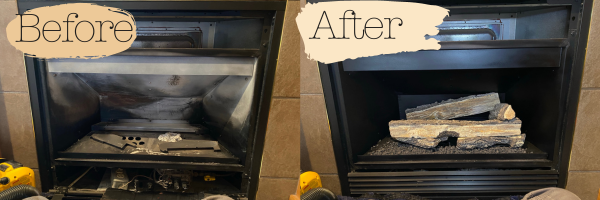
At High Tide Plumbing and Gas, we understand the importance of maintaining your gas fireplace or furnace to ensure optimal performance, safety, and longevity. As experts in the…
Gas
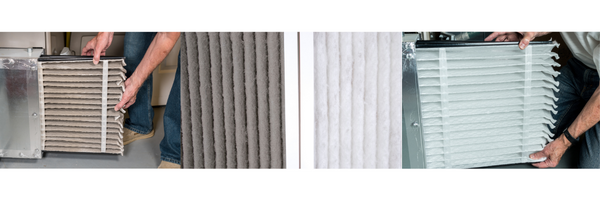
There are always problems that come and go with HVAC units. Some are more common than others, and some may cause your furnace or HVAC unit to be replaced entirely. These repairs…