

Lifestyle
The People Behind High Tide: Why the Way We Work Matters
When you hire a plumbing or gas company, there’s the work you need done. And then there’s the experience of having someone do that work in your home. We believe both matter.…
3 min readLifestyle
Nestled amidst the picturesque landscapes of British Columbia, Vancouver Island is a place of breathtaking beauty, attracting residents and visitors alike. However, this natural paradise is not without its risks. From seismic activity to extreme weather events, the island faces a range of potential emergencies that require a well-prepared community. In this blog post, we will delve into the importance of emergency preparedness on Vancouver Island and provide a comprehensive guide on how to build resilience in the face of adversity.
Understanding the Risks
The Importance of Preparedness
Creating Your Emergency Preparedness Plan
Community Involvement
Emergency preparedness is not just a choice; it’s a responsibility we owe to ourselves, our families, and our communities. Vancouver Island’s breathtaking beauty comes with the potential for natural disasters, making preparedness a paramount concern. By understanding the risks, creating a comprehensive plan, and involving our communities, we can build resilience and face any emergency with confidence. Remember, it’s not a matter of if, but when. Be prepared!
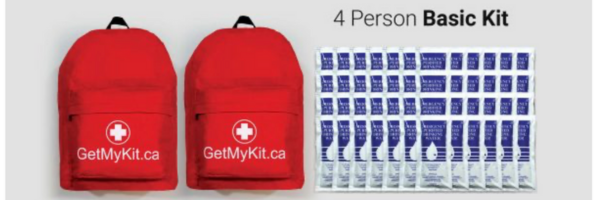
*You can get ready made kits like this at Getmykit.ca, where you can register your kit for notfications about when it expires. You can also find them at 4750 Rutherford Rd #157 in Nanaimo. *
**Your Emergency Kit **
Acording to the Government of BC website here is a basic list of things that should be included in your families emergency kit.
Non-perishable food: minimum three-day to one-week supply, with a manual can opener
Water: four litres per person, per day for drinking and sanitation
Phone charger, power bank or inverter
Battery-powered or hand-crank radio
Battery-powered or hand-crank flashlight
Extra batteries
First-aid kit and medications
Personal toiletries and items, such as an extra pair of glasses or contact lenses
Copy of your emergency plan
Copies of important documents, such as insurance papers and identification
Cash in small bills
Garbage bags and moist towelettes for personal sanitation
Seasonal clothing, sturdy footwear and emergency blanket
Dust masks
Whistle
Help/OK sign: Display the appropriate side outward in your window during a disaster.
Lifestyle
When you hire a plumbing or gas company, there’s the work you need done. And then there’s the experience of having someone do that work in your home. We believe both matter.…

Lifestyle
When you walk through your home, most of the plumbing you notice is the part you actually use. The kitchen sink. The shower. The bathroom taps. The toilet. Maybe the hot-water…

Lifestyle
There’s something about spring on mid-Island that feels like a switch flipping. Farm stands reopen, market tents come out of storage, and suddenly weekends are no longer about…